Garage Floors (Epoxy & Coatings)
Stop living with a dusty, stained, crumbling garage floor. A professional epoxy coating turns it into a clean, durable surface you will actually want to use in Hayward, CA.
Why Epoxy Is One of the Best Upgrades You Can Make to Your Garage
Most garage floors are bare concrete. That means oil and fluid stains soak right in, the surface dusts constantly, and any spill turns into a permanent mark. Once the concrete starts to pit, chip, or spall, cleaning it becomes nearly impossible. Bare concrete was never meant to be a finished floor surface.
Epoxy changes all of that. A properly applied epoxy system bonds directly to the concrete and creates a hard, non-porous surface that resists oil, chemicals, water, and abrasion. It does not dust. It cleans up with a mop. It reflects light, which brightens the whole garage. And it holds up to years of vehicle traffic, dropped tools, and everything else a garage floor takes.
Beyond the practical benefits, an epoxy floor dramatically changes how your garage looks and feels. A garage with a clean, finished floor is more usable as a workshop, a storage space, or an extension of your home. When selling a home, a finished garage floor is one of those details buyers notice and remember. For exterior surfaces around the home that also benefit from a premium finish, take a look at our concrete patio services.
Garage Floor Coating Options: What We Install
Not all garage floor coatings are the same. Here is what we offer and how each one works so you can choose what fits your needs and budget.
100% Solids Epoxy
This is the most durable epoxy available. It contains no solvents, so nearly all of the material stays on the floor after it cures. The result is a very thick, hard coating that is extremely resistant to impact, chemicals, and abrasion. It is the top choice for workshops and high-use garages.
Water-Based Epoxy
A more budget-friendly option, water-based epoxy is thinner than 100% solids but still provides a significant upgrade over bare concrete. It is a good fit for garages that see lighter use or for homeowners who want the clean look without the premium price of a full commercial system.
Polyurea and Polyaspartic Coatings
These coatings cure much faster than traditional epoxy, sometimes in a single day. They are UV-stable, which means they do not yellow over time the way some epoxies can when exposed to sunlight through windows or open doors. A popular choice for garages with a lot of natural light.
Flake or Chip Systems
Colored vinyl flakes are broadcast into the wet base coat before it cures, then sealed with a clear topcoat. The result is a multi-color, textured floor that hides minor surface imperfections, provides some slip resistance, and looks like a showroom floor. The most popular finish we install.
Metallic Epoxy
Metallic pigments in the epoxy create a three-dimensional, marbled effect that looks unlike anything else. Each floor is unique. It is the most visually striking option and works well for garages that double as a display space for vehicles or as a workshop people actually spend time in.
Concrete Sealer Only
For garages where a full coating is not in the budget, a penetrating concrete sealer still provides meaningful protection against staining and dusting. It is not as transformative as an epoxy system, but it is far better than doing nothing.
Why Surface Prep Makes or Breaks Your Epoxy Floor
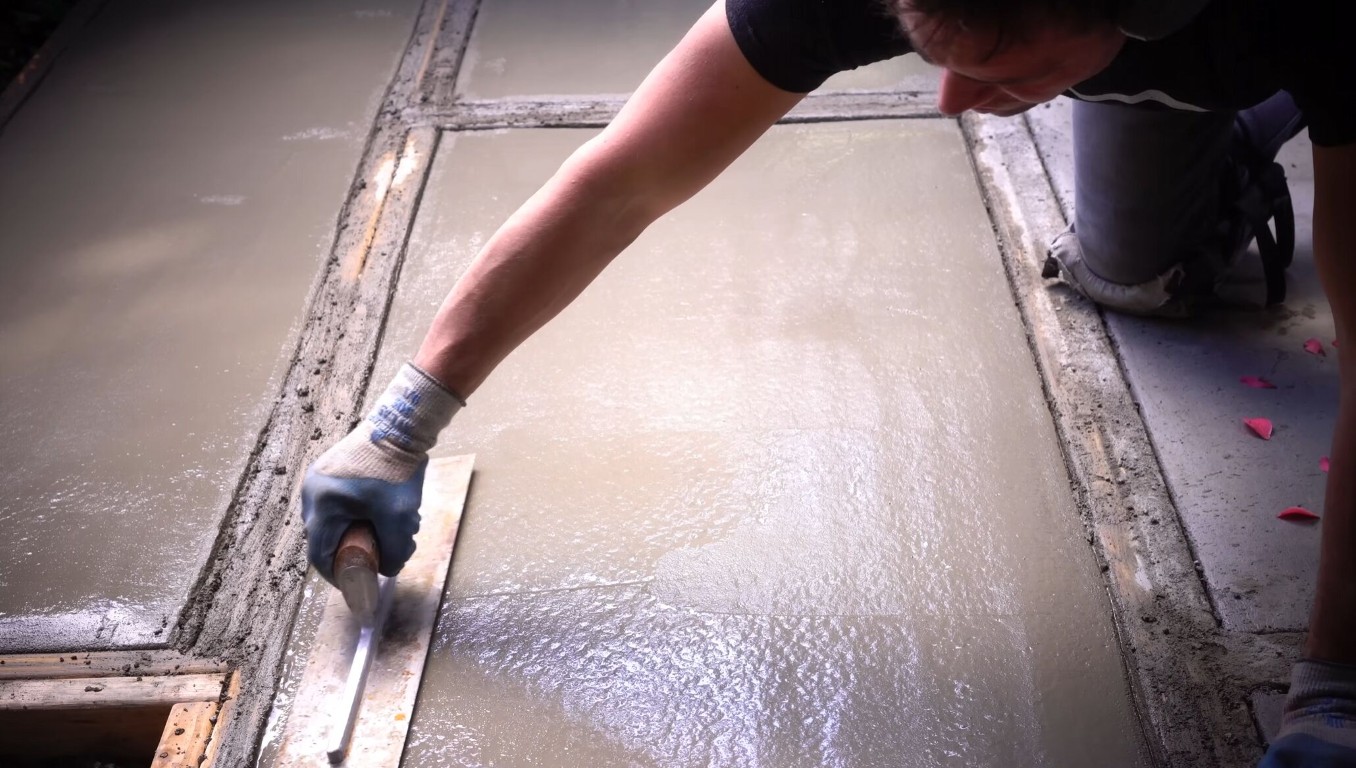
Here is the truth about most failed epoxy jobs: the coating was not the problem. The prep was. Epoxy needs to bond to the concrete at a molecular level. If there is oil contamination, a previous sealer, weak surface concrete, or moisture coming through the slab, the epoxy will peel no matter how good the product is.
We do not skip preparation. Here is exactly how we get the floor ready before a single drop of coating goes down.
- Thoroughly degrease and clean the entire floor surface, paying extra attention to oil-saturated spots near where vehicles park.
- Grind the concrete surface with a diamond grinder to open the pores, remove any previous coatings, and create a profile for the epoxy to grip.
- Test for moisture vapor transmission, which is a common cause of peeling in California homes built on slabs.
- Fill cracks, chips, and pits with a concrete patching compound rated for epoxy applications.
- Apply a penetrating primer coat to maximize adhesion before the base epoxy layer.
- Mix and apply the epoxy base coat at the correct film thickness.
- Broadcast flakes if using a flake system, or apply metallic pigments if using a metallic system.
- Apply one or two clear topcoats for protection, gloss, and surface hardness.
What If My Garage Floor Has Cracks?
Minor cracks that are not actively moving can be filled and coated over without issue. If the floor has structural cracking, settling, or significant spalling across a large area, we may recommend addressing the underlying concrete first before applying a coating. It does not make sense to put a premium finish over a failing slab. We assess this before we quote.
How Long Until You Can Park on It?
Light foot traffic is typically safe 24 hours after the final coat. Vehicle traffic should wait at least 72 hours, and ideally a full week for the coating to reach maximum hardness. We schedule around this so you are not displaced for long. Most residential garage floors are completed in one to two days on site.
If your garage floor needs repair or replacement before coating, we handle the concrete work first as part of the same project. Check out our concrete repair and replacement service for more on how we restore damaged slabs before coating.
Frequently Asked Questions About Garage Floor Coatings
How long does an epoxy garage floor last?
Is epoxy slippery when wet?
Can epoxy be applied over an existing coating or sealer?
Ready to upgrade your garage floor in Hayward, CA?
Call us to schedule a free quote. We will assess your floor, walk you through the coating options, and give you a written estimate before anything starts. Visit our home page to see everything we offer across residential and commercial concrete work in Hayward.
Call (341) 386-0015