Concrete Leveling
Sunken or uneven concrete does not always need to be replaced. We lift it back into place and make it safe again at a fraction of the cost of a full tearout.
What Is Concrete Leveling and When Do You Need It?
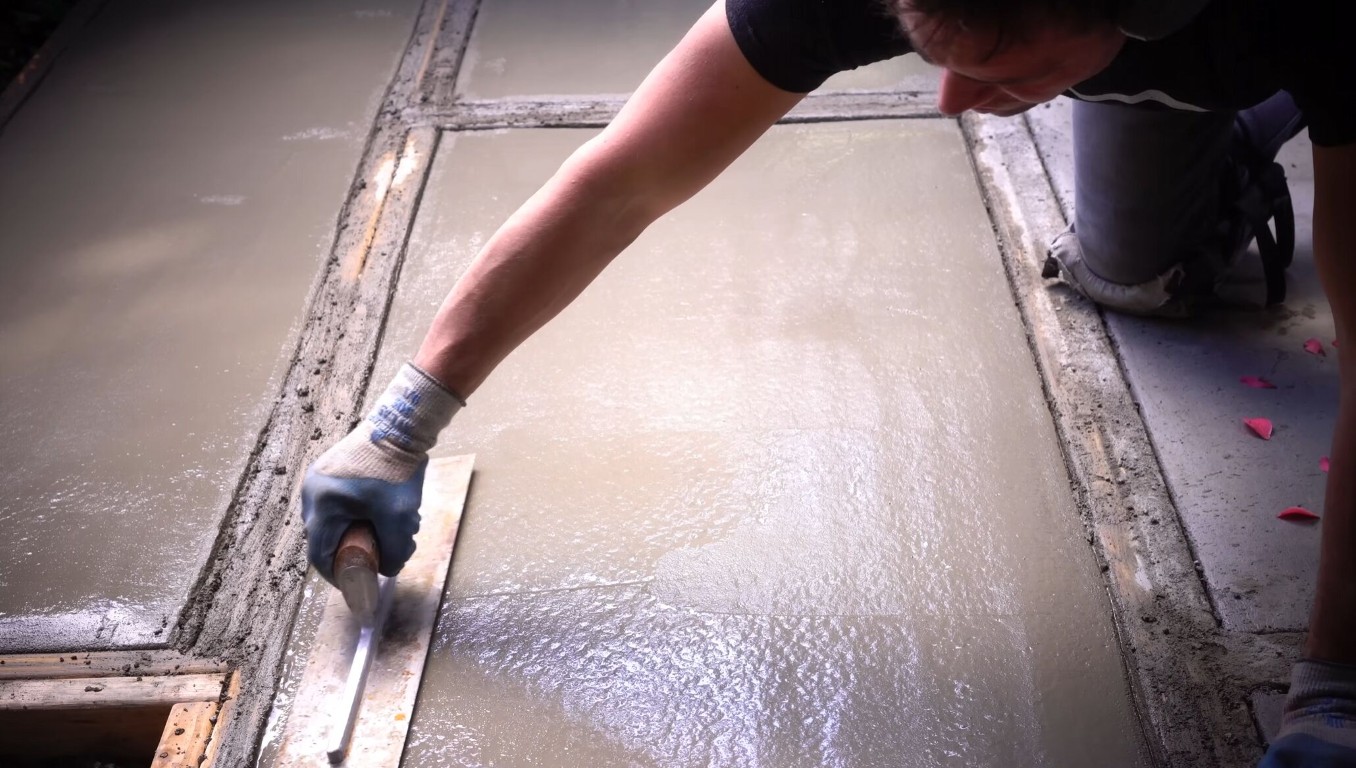
Concrete leveling is the process of raising a sunken or uneven concrete slab back up to its original position without tearing it out. It is also called mudjacking or slab lifting, depending on the method used. The goal is the same either way: get that slab level, stable, and safe again.
You need concrete leveling when a slab has sunk because the soil underneath it settled, washed away, or was never compacted properly in the first place. This happens to driveways, sidewalks, patios, garage floors, pool decks, and front steps all the time, especially in areas like Hayward, CA where the soil can shift seasonally.
A slab that is just a quarter of an inch out of level is enough to let water pool in the wrong direction. A slab that is off by half an inch or more is a trip hazard that puts you and your guests at real risk. Neither problem fixes itself. The longer you wait, the more the slab settles, and the harder the eventual fix becomes.
The good news is that if the slab itself is still structurally intact, leveling it is almost always faster and more affordable than removing and replacing it. We will assess your slab honestly and let you know which approach makes more sense for your specific situation. For full replacements, see our concrete repair and replacement service.
Why Your Concrete Slab Sank in the First Place
Understanding the cause matters because leveling without fixing the underlying issue is a temporary fix. Here are the most common reasons slabs settle in the Hayward area.
- Soil Erosion: Water from rain, irrigation, or a leaking pipe can wash the soil out from under your slab over time. Once there is a void below, the concrete has no support and it sinks. Bay Area winters can be hard on ground that was already loose.
- Poor Compaction at Installation: If the soil or gravel base was not compacted properly before the concrete was poured, the weight of the slab gradually pushes it down as the material below compresses. This is one of the most common causes of early settling on driveways and patios.
- Organic Material Decomposing: Tree roots, old wood forms, or buried organic debris break down over time and leave voids underground. When those voids collapse, the slab above drops.
- Tree Root Movement: Active tree roots can push slabs up in some areas while pulling moisture out of the soil in others, causing adjacent sections to drop. This often creates an uneven surface across a short distance.
- Plumbing Leaks Beneath the Slab: A slow leak from an underground pipe can erode a large area of soil without any visible sign above ground, until the slab starts to move. If you suspect a plumbing issue, we will tell you before we lift anything.
How We Lift and Level Your Concrete
Here is how we approach a concrete leveling job from start to finish so you know exactly what to expect.
- We start with a site inspection to confirm the slab is a good candidate for lifting, not replacement.
- We locate the low points and identify where voids exist beneath the slab.
- Small holes are drilled through the slab at strategic points to access the space below.
- A slurry mixture or polyurethane foam is pumped under the slab through those holes, filling voids and lifting the concrete.
- We monitor the lift carefully and stop when the slab reaches the correct level.
- The drill holes are patched with matching concrete material.
- We verify the surface is properly sloped for drainage and check that joints are aligned.
- The area is cleaned up and you can typically use it within a few hours.
Leveling vs. Replacing: Which Costs Less?
Concrete leveling typically costs 50 to 70 percent less than a full slab replacement for the same area. You also skip the demolition, disposal, forming, pouring, and curing time that comes with a new pour. For slabs that are still structurally sound, lifting is almost always the better value.
Is Leveling Right for Every Slab?
Not every sunken slab is a candidate. If the concrete is cracked all the way through, crumbling, or badly deteriorated, lifting it just raises a broken slab. In those cases, replacement is the better long-term solution. We will always give you our honest read on which path makes more sense for your specific slab.
We also handle leveling as part of broader concrete projects. If you are planning a new concrete patio installation and the ground needs proper grading first, we take care of it all in one visit.
Your Concrete Leveling Questions, Answered
How long does concrete leveling last?
How soon can I use my driveway or sidewalk after leveling?
Will the drill holes be visible after the job is done?
Uneven concrete in Hayward, CA? We can raise it back into place.
Call us today for a free on-site assessment. We will tell you whether leveling or replacement is the right call and give you a clear quote before any work starts. You can also visit our home page to learn about our full range of concrete services.
Call (341) 386-0015