Concrete Repair & Replacement
Cracked, sunken, or crumbling concrete does not have to stay that way. We diagnose the problem and fix it the right way in Hayward, CA.
Should You Repair It or Replace It?
This is the first question we help you answer. A small surface crack in an otherwise solid slab is very different from a slab that is crumbling at the edges, sinking in the middle, or undermined by eroded soil underneath. Both look like "cracked concrete" from the street, but they call for completely different solutions.
Repair makes sense when the damage is surface-level, the slab is structurally sound, and the underlying cause has been addressed. If a root invaded a crack but the slab around it is still solid, we can cut out the affected section and pour a clean patch. If a small area has surface spalling from deicers or water, a concrete resurfacing overlay can restore the appearance and protect the slab.
Replacement is the better call when the slab has widespread structural failure, deep cracking throughout, significant heaving from tree roots or soil movement, or when the base underneath has eroded to the point where no patch will stay put. Putting money into repairing a fundamentally compromised slab is a short-term fix that leads to the same problem in a year or two.
We give you an honest assessment when we come out. If a repair will hold, we will tell you. If replacement is the smarter investment, we will explain exactly why. You deserve a straight answer, not a sales pitch for the most expensive option.
Common Concrete Problems We Fix
Concrete damage shows up in a lot of different ways. Here are the most common issues we see in Hayward and how we address each one.
Surface Cracks
Hairline and narrow cracks that do not go all the way through the slab can usually be sealed with a polyurethane or epoxy filler. This stops water from getting in, which is what causes cracks to widen over time, especially during wet winter weather.
Spalling and Flaking
Spalling happens when the top layer of concrete breaks apart, exposing the aggregate beneath. It is often caused by freeze-thaw cycles, deicers, or poor finishing during the original pour. We can resurface the affected area with a bonded overlay if the base slab is still solid.
Sunken or Uneven Slabs
When the soil under a slab erodes or settles, the slab sinks and creates an uneven surface or a trip hazard. Depending on the extent, we can lift the slab through mudjacking or foam injection, or remove and replace the affected panel with proper base repair.
Heaving from Tree Roots
Tree roots growing under concrete will push sections up over time. The right fix involves removing the damaged panel, cutting the root, installing a root barrier, and pouring a new section. Patching over a live root is a temporary fix that always fails.
Structural Cracking
Wide cracks, cracks running through the full depth of the slab, or cracks with displacement on either side are structural. These sections typically need to be removed and replaced. We assess the cause to make sure the replacement slab does not develop the same problem.
Edge Deterioration
Driveway and sidewalk edges often crumble first because they receive less support from surrounding soil. We can form and pour new edges to restore the border of an otherwise intact slab, or replace entire panels when the damage has progressed too far.
How We Handle Concrete Repair and Replacement
Whether you need a small crack sealed or an entire driveway torn out and repoured, we follow the same core process: find the root cause first, then fix it properly so the repair lasts. Here is what that looks like in practice.
- On-site inspection to assess the type, extent, and likely cause of the damage.
- Honest recommendation on whether repair or replacement is the better value.
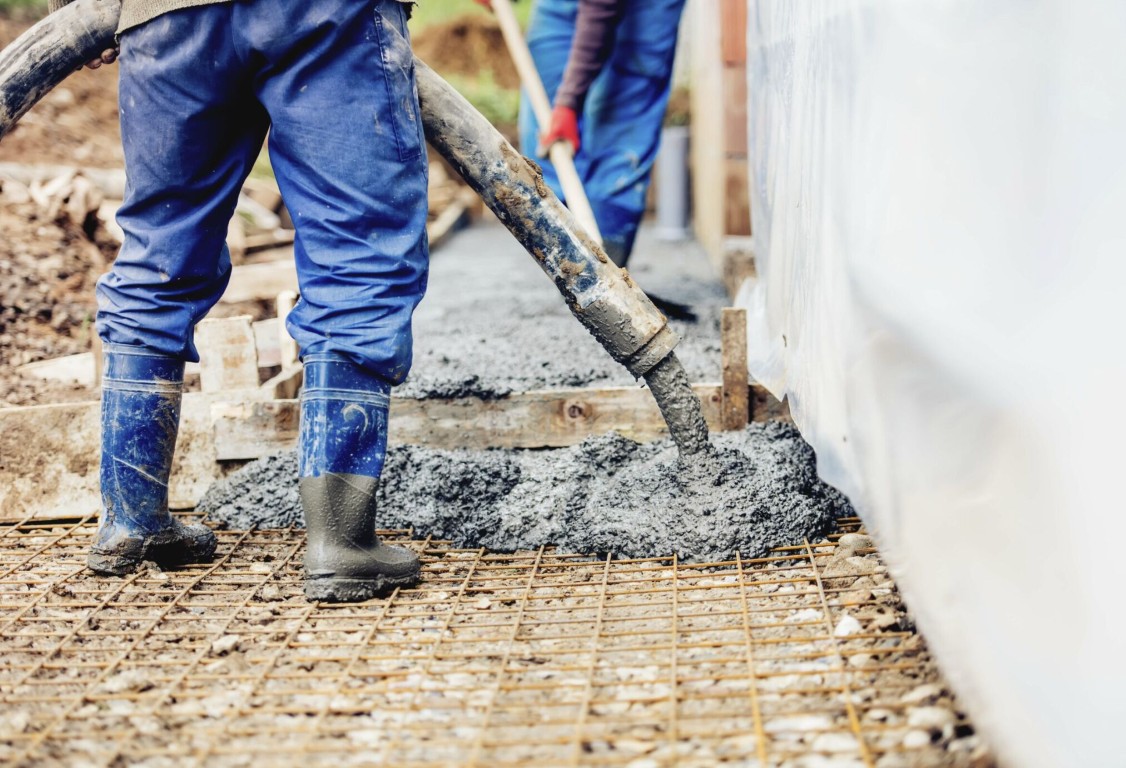
- Removal of damaged concrete panels using a saw and jackhammer when replacement is needed.
- Base inspection and repair, including re-compacting loose soil or adding fresh gravel.
- Root cutting and barrier installation if tree intrusion caused the damage.
- Forming and reinforcing the replacement section with rebar or mesh.
- Concrete pour and finish to match the surrounding surface as closely as possible.
- Crack filling or resurfacing for surface-level repair jobs.
- Control joint re-cutting on repaired areas to manage future cracking.
Will the New Concrete Match?
Fresh concrete is always lighter than aged concrete, so an exact color match right after repair is not realistic. Over the course of several months, the new section weathers and the difference becomes much less noticeable. If appearance is important to you, we can discuss finishing options or integral color to help the repair blend better over time.
Do Not Ignore Trip Hazards
Uneven concrete on a sidewalk, driveway, or walkway is a liability risk for property owners. A single raised edge of half an inch is enough to cause a fall. If someone gets hurt on your property because of a known hazard you did not fix, that is a problem. We prioritize fast turnarounds on trip-hazard repairs for exactly this reason. Check out our sidewalk and walkway services if the problem is on a public-facing surface.
We also handle full driveway and patio replacements when the damage has gone beyond what a patch can fix. If you are not sure where your project falls on that spectrum, give us a call and we will help you figure it out.
Common Questions About Concrete Repair
Can you repair concrete without replacing the whole slab?
Why did my concrete crack so soon after it was installed?
How long does a concrete repair typically last?
Got damaged concrete in Hayward, CA? Let us take a look.
Call us or send a message to schedule a free assessment. We will tell you honestly what the right fix is and give you a clear written quote before any work starts. Visit our home page to see everything we handle, including full concrete driveway installation and replacement.
Call (341) 386-0015